Can Ozempic Injection Improve Blood Sugar Levels?
Managing blood sugar levels is a critical aspect of maintaining overall health, especially for individuals at risk of diabetes or those already diagnosed with type 2 diabetes. Among the various treatment options, medications like Ozempic have gained attention for their potential benefits. For those exploring solutions, Ozempic Injection in Dubai has become a popular topic due to its reported impact on blood sugar regulation and its convenience as a once-weekly injectable therapy.
Understanding Blood Sugar Regulation
Blood sugar regulation involves a delicate balance of insulin and glucose in the body. Poor regulation can lead to hyperglycemia or hypoglycemia, both of which can be harmful over time. Regular monitoring of blood sugar, combined with a healthy diet and lifestyle choices, remains essential. Medications such as Ozempic are often considered when lifestyle changes alone do not provide adequate control over blood glucose levels.
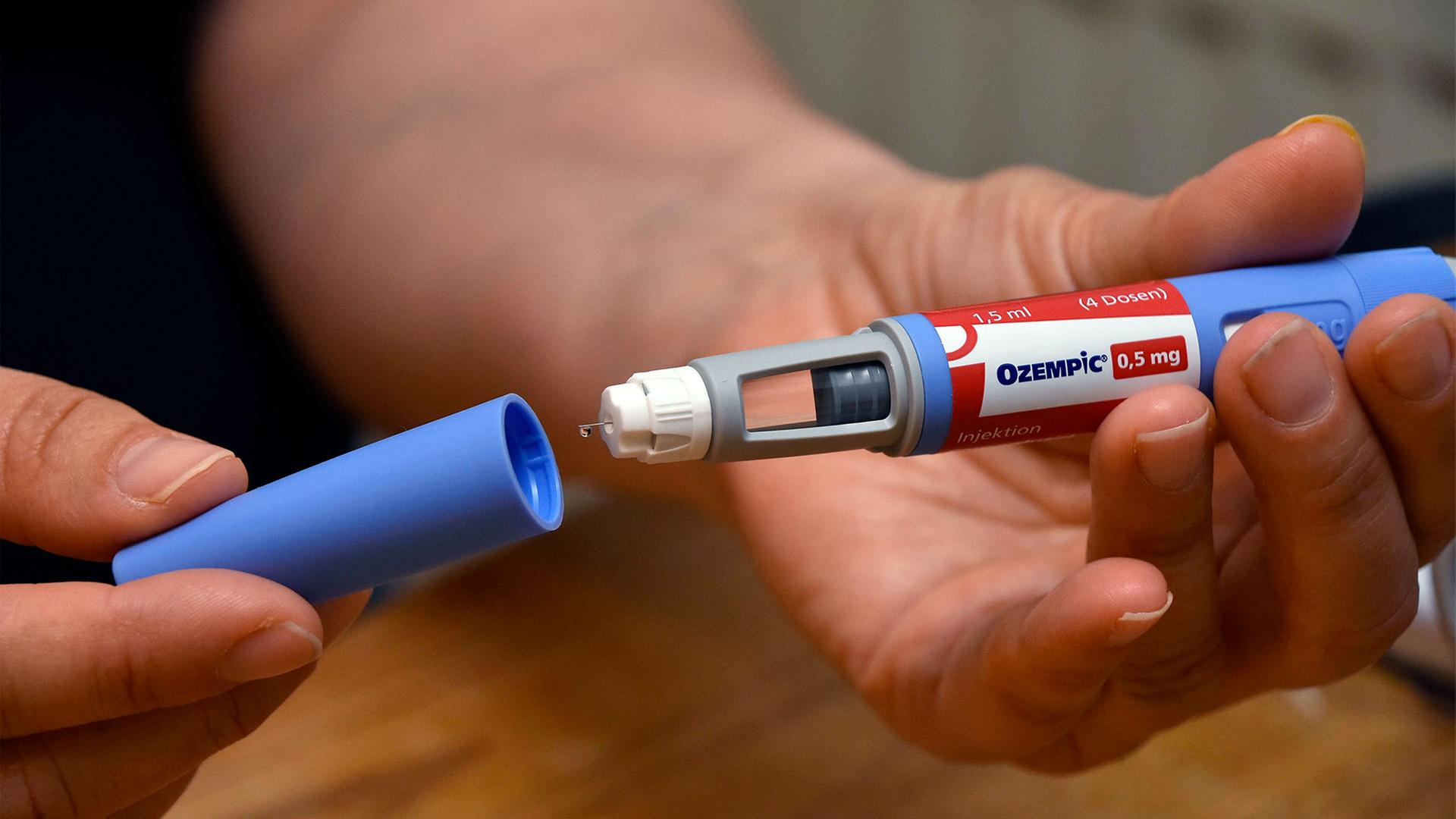
How Ozempic Supports Blood Sugar Control
Ozempic has been reported to assist in stabilizing blood sugar by influencing several pathways in the body. It may help reduce fasting glucose levels and post-meal spikes. By enhancing insulin sensitivity and slowing glucose absorption, it can provide more consistent sugar levels throughout the day. This makes it a potential option for individuals struggling with uncontrolled blood sugar despite other interventions.
Benefits of Using Ozempic
- May help reduce A1C levels
- Supports steady blood sugar control
- Lowers post-meal glucose spikes
- Can improve insulin sensitivity
- Helps in long-term glucose management
Lifestyle Adjustments That Complement Ozempic
While Ozempic may assist in blood sugar control, combining it with lifestyle changes can amplify results. Eating balanced meals, engaging in regular physical activity, and reducing stress levels are crucial factors. Monitoring carbohydrate intake and avoiding excessive processed foods can also support the medication’s effects. A proactive approach ensures that blood sugar remains more stable and prevents additional health complications.
Potential Side Effects to Consider
- Nausea or vomiting
- Mild digestive discomfort
- Possible headache
- Injection site reactions
- Temporary loss of appetite
Common Misconceptions About Ozempic
Some individuals believe that Ozempic alone can fully control blood sugar without lifestyle changes. Others assume it is suitable for all types of diabetes. Understanding the medication’s role as a supportive tool rather than a complete solution is essential. Accurate information helps users set realistic expectations and integrate it responsibly into their daily health management routine.
Monitoring Progress While Using Ozempic
- Track blood sugar daily or as recommended
- Maintain a log of meals and activity
- Observe any changes in energy levels
- Note side effects or unusual symptoms
- Consult healthcare providers regularly
Combining Ozempic With Dietary Practices
Healthy dietary practices remain a cornerstone of blood sugar management. Incorporating fiber-rich foods, lean proteins, and whole grains supports balanced glucose levels. Avoiding refined sugars and high-glycemic foods can prevent spikes that might counteract the effects of medications like Ozempic. Planning meals thoughtfully and maintaining portion control further enhance the body’s ability to manage sugar effectively throughout the day.
Future Considerations for Blood Sugar Management
- Stay updated on new therapies and research
- Regularly review health goals and outcomes
- Maintain consistent lifestyle routines
- Engage in regular physical activity
- Reassess dietary habits periodically
Final Thoughts
Ozempic presents a promising option for supporting blood sugar management, particularly when combined with healthy lifestyle habits. While it offers potential benefits in controlling glucose levels and improving consistency, it is most effective when integrated with regular monitoring and mindful dietary choices. Understanding its role, potential side effects, and complementary practices can help individuals make informed decisions about their long-term health strategy.
Public Last Update: 2026-03-16 16:09:12