Is Vampire Facial Safe for Sensitive Facial Skin Types?
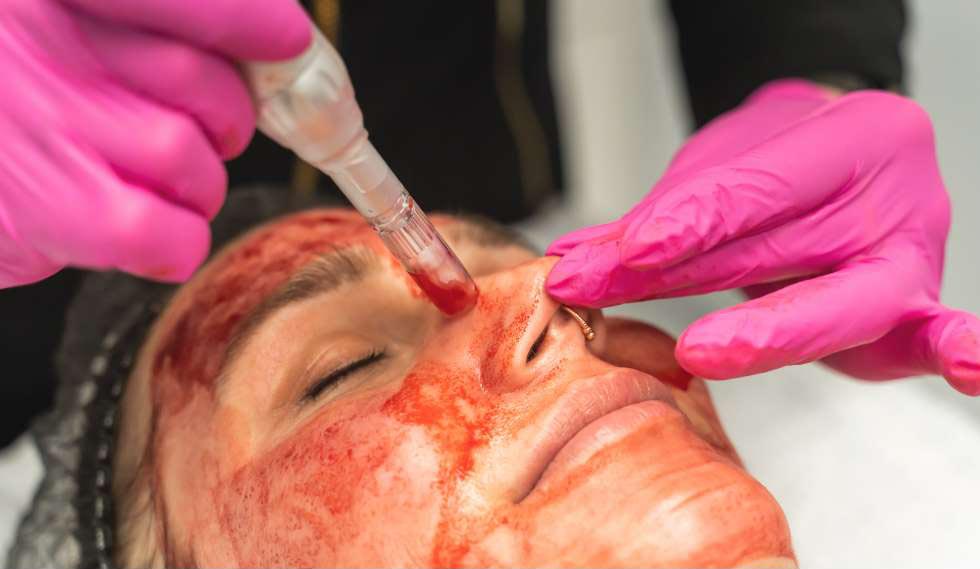
Sensitive skin is prone to redness, irritation, and discomfort when exposed to certain products or treatments. People with this skin type often react to strong ingredients, environmental changes, or aggressive facial therapies. Treatments like Vampire Facial Dubai have gained attention, but those with sensitive skin must weigh the potential for irritation against the benefits carefully.Considering new skin treatments can be daunting, especially when looking for rejuvenation methods that promise results.
Factors Influencing Skin Reaction
Several factors determine how sensitive skin responds to external treatments. Genetics, age, and lifestyle habits such as diet and sun exposure play crucial roles. Environmental elements like pollution, humidity, and temperature fluctuations also increase skin sensitivity. Emotional stress and hormonal changes can further exacerbate reactions. Recognizing these factors helps in predicting how a new facial treatment might affect sensitive skin and guides in taking precautionary steps to minimize adverse responses.
Choosing Gentle Preparations
For sensitive skin, selecting mild, non-irritating skincare products is essential. Gentle cleansers, hydrating serums, and fragrance-free moisturizers help maintain the skin's natural barrier. Avoiding harsh exfoliants or products with strong acids reduces the risk of redness or inflammation. Layering calming ingredients like aloe vera or chamomile can provide added protection. Establishing a consistent, soothing skincare routine prepares the skin for external treatments and enhances tolerance for newer, advanced facial procedures.
Patch Testing Before Treatments
Patch testing is a precautionary measure recommended for sensitive skin.
-
Apply a small amount of the treatment on a discreet area.
-
Observe for any redness, swelling, or itching over 24 hours.
-
Document any delayed reactions that may appear after a few days.
-
Compare reactions with other tested products.
-
Avoid proceeding with full treatments if irritation occurs.
Environmental Impact on Skin Sensitivity
External conditions can influence how sensitive skin reacts to treatments. Factors such as sun exposure, wind, and pollution may aggravate redness or dryness. Climate changes, including sudden temperature shifts, can weaken the skin barrier, making it more prone to adverse effects. Using protective skincare measures like sunscreens, moisturizers, and shields against pollutants can reduce sensitivity and make the skin more receptive to rejuvenating facial treatments.
Selecting the Right Skincare Support
Choosing the right supportive products is essential for sensitive skin management. Hydrating masks, nutrient-rich oils, and gentle creams aid in reinforcing the skin barrier. Avoid products with artificial dyes or fragrances that could trigger reactions. Incorporating antioxidants like vitamin C or green tea can improve skin resilience. Regular hydration, both topically and internally, strengthens tolerance against new treatments, reducing the likelihood of redness or irritation from facial therapies.
Managing Post-Treatment Sensitivity
Post-treatment care is critical for sensitive skin. Cooling gels, gentle moisturizers, and avoiding direct sun exposure help calm irritation. Avoiding makeup or harsh cleansers for a short period allows the skin to recover naturally. Drinking sufficient water and maintaining a balanced diet supports healing. By adopting these practices, the skin remains protected while experiencing minimal discomfort following any facial procedure, even for those with delicate skin conditions.
Lifestyle Choices Supporting Sensitive Skin
-
Maintain a balanced diet rich in vitamins and minerals.
-
Avoid excessive caffeine or alcohol that can trigger redness.
-
Incorporate stress-reducing activities like yoga or meditation.
-
Ensure consistent hydration throughout the day.
-
Limit exposure to extreme temperatures or harsh environmental conditions.
Recognizing Skin Signals
Sensitive skin often communicates through subtle cues before visible irritation appears. Early warning signs include mild tingling, slight redness, or increased dryness. Monitoring these signals enables timely intervention to prevent aggravated reactions. Adjusting skincare routines, avoiding aggressive treatments, or using calming products can mitigate potential problems. Being attentive to skin signals ensures that treatments are approached safely, minimizing risk and promoting overall skin health.
FAQ's:
1. Is Vampire Facial safe for sensitive skin types?
While it can be safe, individuals with sensitive skin may require extra precautions and monitoring to avoid irritation or adverse reactions.
2. How can I prepare my sensitive skin for facial treatments?
Using gentle skincare, hydrating regularly, and avoiding harsh ingredients ensures the skin is calm and ready for treatments.
3. Are there alternative options for sensitive skin if I’m concerned?
Yes, treatments using soothing serums, light hydration therapies, or low-intensity facial procedures can provide safe results.
4. How do I know if my skin is reacting negatively to a treatment?
Look for redness, swelling, itching, or tingling. Persistent discomfort should prompt stopping the treatment and consulting a professional.
5. Can lifestyle adjustments improve my skin’s tolerance to treatments?
Yes, managing stress, hydration, diet, and sun protection all contribute to reducing sensitivity and improving response to facial treatments.
Conclusion
Sensitive skin requires careful consideration when exploring rejuvenating facial treatments. Paying attention to environmental factors, supportive skincare, lifestyle adjustments, and proactive monitoring enhances safety and tolerance. Even with advanced therapies, prioritizing gentleness over intensity ensures minimal irritation. Individuals with sensitive skin can safely pursue treatments by being observant, consistent in care, and mindful of their unique skin responses, achieving healthier, more resilient skin over time.
Public Last Update: 2026-03-03 14:09:03